
Insomnia: Why You Can't Sleep (Even When You're Exhausted),
Insomnia: Why You Can't Sleep (Even When You're Exhausted)
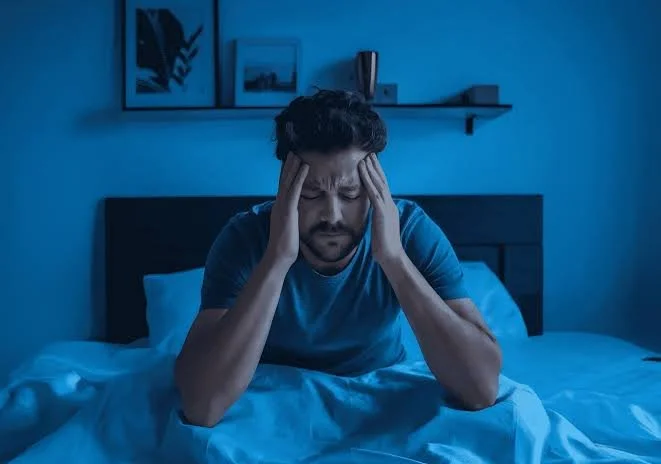
"I'm so tired… but the moment my head hits the pillow, my brain comes alive."
If that sounds familiar, you're not alone. Its that feeling throughout the day of being tried but wired to complete the stressload.
Insomnia is the most common sleep disorder in Australia, affecting millions of people every year. While almost everyone experiences a sleepless night from time to time, chronic insomnia is very different. It isn't simply "bad sleep"—it's a condition where the brain and nervous system struggle to transition into restorative sleep.
The encouraging news is that insomnia is often treatable. Understanding why it happens is the first step.
Australia Is Facing a Sleep Crisis
Sleep has quietly become one of Australia's biggest public health challenges.
Recent Australian research found:
Nearly 60% of Australian adults experience at least one insomnia symptom three or more nights each week.
Around 14.8% of adults meet the criteria for chronic insomnia disorder.
Women are significantly more likely than men to report racing thoughts and anxiety about sleep.
Nearly half of Australians say their daily routines don't allow enough opportunity for healthy sleep.
Poor sleep doesn't simply make people tired.
It affects concentration, relationships, emotional regulation, productivity, physical health and long-term wellbeing.
Australia's sleep problems are estimated to cost billions of dollars every year through healthcare expenses, workplace productivity losses and reduced quality of life.
What Is Insomnia?
Insomnia is a sleep disorder where a person regularly experiences one or more of the following:
Difficulty falling asleep.
Difficulty staying asleep.
Waking too early.
Feeling unrefreshed despite spending enough time in bed.
Daytime fatigue, poor concentration or irritability because of poor sleep.
For chronic insomnia, these symptoms generally occur at least three nights each week for three months or longer.
What Happens Inside Your Brain?
Many people assume insomnia means they simply aren't tired enough.
The science tells a different story.
People with insomnia are often too awake.
Researchers describe insomnia as a condition of hyperarousal.
Your nervous system remains activated when it should be winding down.
Instead of gradually shifting into sleep, your brain continues producing alertness signals.
Several biological systems are involved.
Your Stress System Never Fully Switches Off
Stress activates the hypothalamic-pituitary-adrenal (HPA) axis.
This increases cortisol and adrenaline.
These hormones are designed to keep you alert during danger—not help you fall asleep.
If stress becomes chronic, your body can begin treating bedtime as another time to stay vigilant.
Your Brain Learns Wakefulness
One of the most fascinating discoveries in sleep medicine is that insomnia can become a learned behaviour.
After enough difficult nights, your brain starts linking your bed with frustration.
Instead of thinking:
"Bed equals sleep."
Your brain begins thinking:
"Bed equals trying."
The harder you try to sleep…
…the more alert your brain becomes.
Your Internal Clock Becomes Confused
Your circadian rhythm responds to:
Morning sunlight.
Meal timing.
Physical activity.
Regular wake times.
Darkness.
Irregular routines, shift work and bright evening screens delay melatonin release and confuse your body clock.
Racing Thoughts Keep the Brain Active
Many people describe:
"I can't stop thinking."
Brain imaging studies suggest parts of the brain involved in attention and emotional processing remain unusually active in people with insomnia.
The body is lying down.
The brain is still working.
The Modern World Wasn't Designed for Healthy Sleep
Human biology evolved over thousands of years.
Modern life changed almost overnight.
Today we face:
Artificial light late into the evening.
Constant notifications.
Long work hours.
Shift work.
Financial stress.
Endless entertainment.
Social media.
Irregular meal times.
None of these existed for most of human history.
Our brains are remarkably adaptable—but not infinitely so.
Ancient Habits That Supported Better Sleep
Although ancient people certainly experienced poor sleep, many of their daily rhythms naturally supported healthy biology.
These included:
Waking with sunrise.
Spending hours outdoors.
Walking throughout the day.
Finishing meals earlier in the evening.
Lower exposure to artificial light after sunset.
Quiet reflection or prayer before bed.
Consistent daily routines.
Modern research increasingly supports the importance of light exposure, regular schedules and stress reduction for healthy sleep.
Herbs Traditionally Used for Insomnia
Many herbs have been used traditionally to encourage relaxation.
Some have modest scientific evidence supporting their use for mild sleep difficulties.
These include:
Chamomile.
Lavender.
Lemon balm.
Passionflower.
Valerian root.
Natural does not always mean harmless. Herbs can interact with medications or be unsuitable for some people, so speak with your healthcare provider before using them regularly.
What Makes Insomnia Worse?
Many people accidentally reinforce insomnia by:
Going to bed much earlier than they're sleepy.
Sleeping in after a poor night.
Watching the clock.
Spending hours awake in bed.
Drinking alcohol to fall asleep.
Consuming caffeine late in the day.
Scrolling on their phone in bed.
Worrying about tomorrow's fatigue.
Ironically, many of the things we do to fix sleep can make insomnia persist.
What Actually Helps?
The strongest scientific evidence for chronic insomnia supports Cognitive Behavioural Therapy for Insomnia (CBT-I) as the first-line treatment, ahead of long-term sleeping tablets for most people.
Helpful strategies often include:
Maintaining a consistent wake time.
Getting morning sunlight.
Reducing evening light exposure.
Building a calming bedtime routine.
Limiting caffeine later in the day.
Exercising regularly.
Addressing stress during the day rather than only at bedtime.
Working with a qualified healthcare professional or sleep coach when appropriate.
When Should You Seek Medical Advice?
Arrange a medical assessment if you:
Snore loudly or stop breathing during sleep.
Wake gasping for air.
Have severe daytime sleepiness.
Experience insomnia lasting several weeks despite self-help strategies.
Regularly rely on alcohol or medication to sleep.
Feel your sleep problems are affecting your safety, work or relationships.
Sometimes insomnia occurs alongside sleep apnoea, restless legs syndrome, chronic pain, depression, anxiety or other medical conditions that also need treatment.
Where Sleep Coaching Fits
Reading articles is helpful.
Changing habits is much harder.
Many people already know they should:
Go to bed consistently.
Reduce screens.
Limit caffeine.
Exercise.
Create a better bedtime routine.
The challenge isn't usually knowledge.
It's implementation.
A sleep coach helps translate good advice into practical routines that fit your life, while recognising when symptoms suggest you should also seek medical care.
At Vigil, our coaching focuses on understanding your sleep patterns, your daily rhythms and the habits shaping your nights. We combine current sleep science with practical, sustainable behaviour change to help create the conditions where healthy sleep can naturally return.
Final Thoughts
Insomnia is rarely a sign that your body has forgotten how to sleep.
More often, it's a sign that your brain has become exceptionally good at staying alert.
The encouraging reality is this:
Your brain learned those patterns.
With patience, consistency and the right support, it can learn new ones.
Sleep isn't something you force.
It is something your body allows—when it finally feels safe enough to let go.
