
The 5 Most Common Sleep Disorders: What Your Body Is Trying to Tell You (And What Ancient Wisdom Got Right)
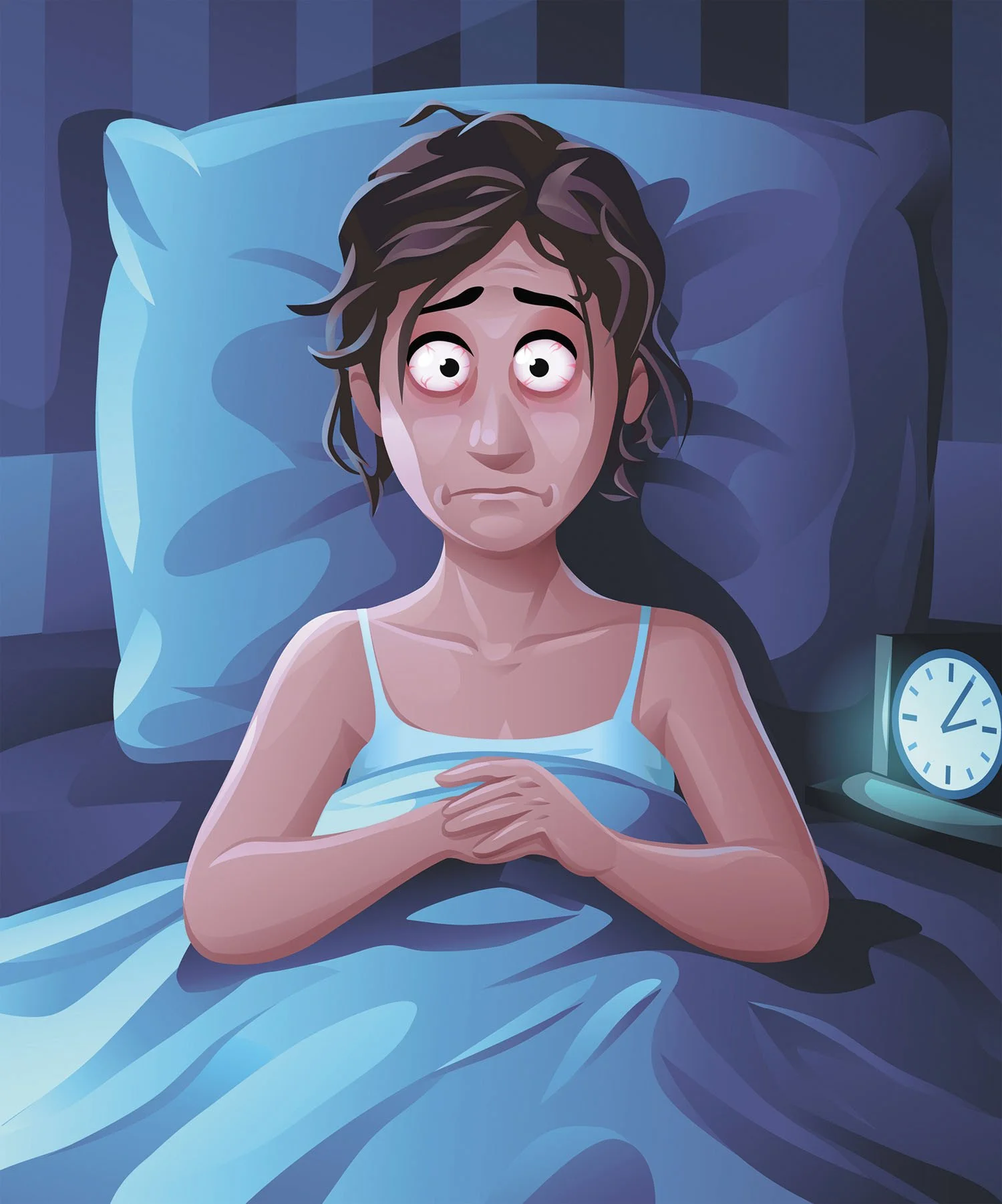
Many of people struggle to sleep, but most don't actually understand why. Sleeping tablets may help you fall asleep, but they rarely solve the underlying biological reason your sleep became disrupted.
Modern science is revealing something fascinating: many ancient sleep practices were working with human biology long before laboratories could explain why.
Let's explore the five most common sleep disorders, what is happening inside the body, and the evidence behind simple habits that can support better sleep.
Insomnia
"I'm exhausted... but my brain won't switch off." or “Why am I awake at 3am”
Insomnia affects around one in three adults at some point in life.
What's happening biologically?
Your brain has two systems constantly balancing each other:
Sleep drive (adenosine) builds throughout the day, creating pressure to sleep.
The arousal system releases chemicals such as cortisol, adrenaline, orexin and norepinephrine to keep you alert.
With chronic stress, anxiety, irregular schedules or excessive evening light, the arousal system stays active long after bedtime.
Instead of entering restorative sleep, the brain remains on alert.
This isn't a lack of tiredness—it's a nervous system that hasn't received permission to stand down.
Ancient practices that supported sleep
For centuries people naturally:
Finished eating several hours before bed.
Reduced candlelight and bright activity after sunset.
Read quietly or prayed instead of stimulating the mind.
Used repetitive breathing and meditation.
Kept consistent sleep times with the setting and rising sun.
Many monastic communities also practised silence before bed, allowing the nervous system to gradually slow.
Herbs traditionally used
Chamomile
Lemon balm
Passionflower
Lavender
Valerian root
Some research suggests these herbs may promote relaxation, although responses vary and they can interact with medications.
Sleep Apnoea
"I sleep all night... yet wake exhausted."
Sleep apnoea causes repeated pauses in breathing during sleep.
Many people don't even realise it's happening.
What's happening biologically?
As muscles relax, the airway narrows or collapses.
Oxygen levels briefly fall.
The brain responds by partially waking you just enough to breathe again.
This cycle can happen dozens—or even hundreds—of times each night.
Because deep sleep keeps getting interrupted, the body never completes normal repair processes.
Untreated sleep apnoea is associated with higher risks of:
High blood pressure
Heart disease
Stroke
Diabetes
Poor concentration
Ancient supportive habits
Historically, obesity rates were far lower, reducing one of today's major risk factors.
Helpful lifestyle practices include:
Maintaining a healthy weight.
Sleeping on your side.
Avoiding alcohol before bed.
Regular physical activity.
Nasal breathing when possible.
Sleep apnoea should always be medically assessed. Lifestyle measures may help but are not a replacement for diagnosis or treatment.
Restless Legs Syndrome (RLS)
"As soon as I lie down, my legs won't stay still."
People often describe crawling, tingling or irresistible urges to move their legs.
What's happening biologically?
Researchers believe several factors contribute:
Altered dopamine signalling.
Low brain iron stores in some individuals.
Nervous system hypersensitivity.
Movement temporarily relieves symptoms because it changes nerve signalling.
Ancient approaches
Traditional cultures often included:
Evening walking.
Gentle stretching.
Foot massage.
Warm baths.
Earlier physical labour followed by genuine rest.
Herbs and nutrients sometimes considered
Magnesium (if deficient)
Iron (only when deficiency is confirmed)
Lavender massage oil
Chamomile tea
Persistent symptoms deserve medical assessment because iron deficiency and other conditions may require treatment.
Circadian Rhythm Disorder
"I'm simply not sleepy at night."
Many people think they are "night owls."
Sometimes that's true.
Sometimes their internal clock has become delayed.
What's happening biologically?
The brain's master clock sits inside the hypothalamus.
It responds primarily to:
Morning sunlight
Darkness
Meal timing
Physical activity
Regular routines
Late-night screens, shift work and irregular schedules confuse this biological clock.
Melatonin is released later than normal, making sleep difficult.
Ancient habits
For thousands of years people:
Woke with sunrise.
Worked outdoors.
Ate meals during daylight.
Experienced genuine darkness at night.
These powerful environmental signals kept the body clock synchronised.
Helpful habits
Morning outdoor light within an hour of waking.
Regular wake time every day.
Dim lights during the evening.
Limit bright screens before bed.
Exercise earlier in the day.
Waking at 2–4 a.m.
"Why do I always wake in the middle of the night?"
This is one of the most searched sleep questions online.
What's happening biologically?
Several factors can contribute:
Cortisol rising too early.
Stress-related hyperarousal.
Blood sugar fluctuations.
Environmental disturbances.
A normal sleep cycle transition.
Historically, many cultures described "first sleep" and "second sleep," where people naturally woke for a short period during the night before returning to bed.
While not everyone experiences this pattern today, historical records suggest it was once relatively common before widespread artificial lighting.
Ancient responses
Instead of panicking, people often:
Prayed quietly.
Read by candlelight.
Reflected.
Returned to sleep naturally.
Today's problem is often not waking—it's worrying about waking.
An anxious brain can quickly become fully alert.
Helpful habits
Don't immediately check your phone.
Keep lights dim.
Practise slow breathing.
Avoid clock-watching.
Return to bed when sleepy.
The Bigger Picture
Sleep isn't something you force.
It emerges when your brain receives enough signals that it is finally safe to let go.
Modern life often sends the opposite message:
Constant notifications
Artificial light
Chronic stress
Irregular schedules
Endless stimulation
Ancient cultures didn't have perfect sleep, but many of their daily rhythms naturally supported the biology we now understand through neuroscience.
Sometimes the answer isn't adding another supplement.
It's removing the obstacles preventing your body from doing what it was designed to do.
When Should You Seek Professional Help?
Speak with a healthcare professional if you:
Snore loudly with pauses in breathing.
Experience severe daytime sleepiness.
Have persistent insomnia lasting several weeks.
Frequently act out dreams.
Have restless legs that significantly disrupt sleep.
Wake gasping for air.
Feel your sleep problems are affecting work, relationships or safety.
Final Thought
Your body is rarely trying to sabotage your sleep.
More often, it's responding exactly as human biology was designed to respond to stress, light, habits and environment.
Understanding those signals is often the first step toward lasting change.
When you learn to work with your biology instead of against it, restful sleep becomes far more achievable.
