
The Pharmacology of Sleep: A Deep Dive into Every Major Class of Sleeping Pill, How It Works, and What It Costs Your Brain
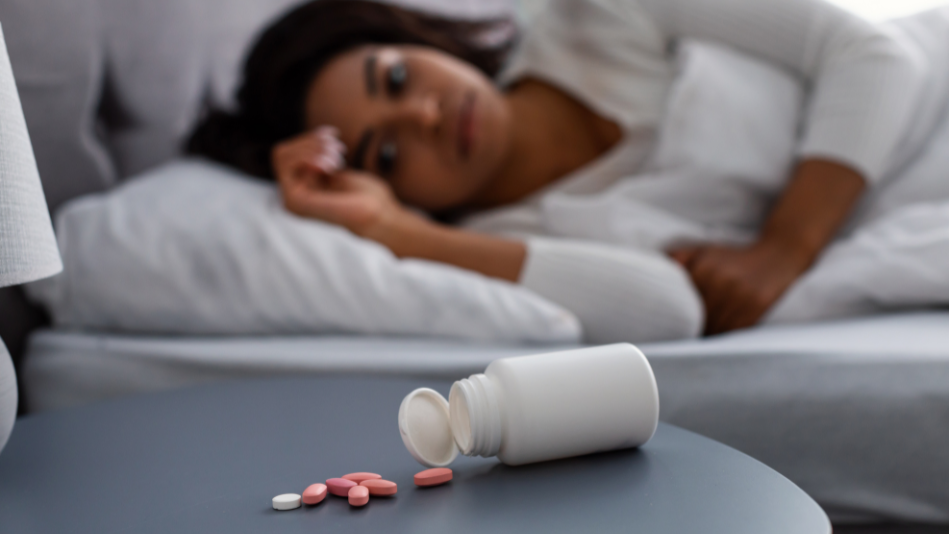
A science-backed breakdown of the seven classes of sleep medications—from barbiturates to orexin blockers—examining their mechanisms, efficacy, safety profiles, and long-term neurological consequences.
Introduction: The Sedation vs. Sleep Distinction
Before examining any sleep medication, one principle must be understood: sedation is not sleep. Most prescription sleep aids do not promote natural, restorative sleep. They induce a state of pharmacological unconsciousness that mimics sleep while altering the very brain architecture that makes sleep healing.
This distinction explains why long-term users of common sleep medications often report waking foggy, anxious, and unrested despite spending eight hours in bed. The brain knows the difference even when the patient does not.
Class 1: Benzodiazepines — The Broad-Spectrum Brain Dimmer
How They Work
Benzodiazepines (BZDs) such as temazepam (Restoril), triazolam (Halcion), flurazepam (Dalmane), and estazolam (Prosom) are among the oldest prescription hypnotics still in use. They act as positive allosteric modulators at the GABA-A receptor complex, the brain’s primary inhibitory neurotransmitter system.
Unlike targeted hypnotics, benzodiazepines bind non-selectively across multiple GABA-A receptor subtypes—α1, α2, α3, and α5. The α1 subunit mediates sedation and amnesia, while α2 and α3 are involved in anxiolysis and sleep regulation.
By increasing chloride ion influx, benzodiazepines hyperpolarize neurons throughout the cortex, thalamus, and hypothalamus—effectively dimming the entire brain.
Pros
Rapid onset (15–60 minutes)
Clinically effective for both sleep initiation and maintenance
Decades of clinical familiarity
Inexpensive generics available
Cons
Sleep Architecture Destruction: Systematic reviews confirm benzodiazepines increase Stage 2 NREM sleep while decreasing slow-wave sleep (Stages 3–4) and REM sleep.
Cognitive Impairment: Next-day grogginess, memory deficits, and psychomotor slowing are well-documented.
High Dependence Risk: Physical tolerance and withdrawal can develop within weeks. Abrupt cessation can trigger rebound insomnia, anxiety, tremors, and seizures.
Fall and Fracture Risk: Muscle relaxation and ataxia make older adults particularly vulnerable.
Respiratory Depression: Dangerous in patients with sleep apnea or COPD.
Dementia Link: Long-term use is associated with a 30% greater risk of incident dementia in older adults, with some meta-analyses showing a 78% increased risk for Alzheimer’s disease specifically.
The Verdict on Benzos
Benzodiazepines are effective short-term rescue medications but poor long-term sleep solutions. They sedate the brain globally, suppress restorative sleep stages, and carry the highest dependence and cognitive risk profile of any modern hypnotic class.
Class 2: Z-Drugs — The "Safer" Alternative That Wasn't
How They Work
Zolpidem (Ambien), zaleplon (Sonata), zopiclone (Imovane), and eszopiclone (Lunesta) are non-benzodiazepine hypnotics chemically distinct from BZDs but pharmacologically similar. They also potentiate GABAergic neurotransmission but with greater selectivity for the α1 subunit of the GABA-A receptor—the subtype most responsible for sedation.
This selectivity was designed to reduce muscle relaxation, anxiolytic effects, and next-day impairment. In practice, the differences are smaller than marketed.
Pros
Rapid sleep onset (especially zaleplon, with ultra-short half-life)
Less daytime sedation than long-acting benzodiazepines
Effective for sleep-onset insomnia
Widely available and familiar to prescribers
Cons
Dependence and Abuse Potential: Despite marketing claims, Z-drugs produce physical dependence, tolerance, and withdrawal syndromes comparable to benzodiazepines. Chronic high-dose zolpidem abuse has been documented at doses up to 6,000 mg/day.
Complex Sleep Behaviors: Sleepwalking, sleep-eating, sleep-driving, and amnesia are FDA-black-box warnings for Z-drugs.
Memory Disruption: A University of Pennsylvania study found that Ambien-induced sleep resulted in a 50% weakening of memory-related brain connections compared to natural sleep.
Sleep Architecture Disruption: Like benzodiazepines, Z-drugs suppress REM sleep and alter slow-wave activity. A 2025 study in Sleep found chronic BZRA (Z-drug) use was associated with more light sleep, less deep sleep, reduced theta activity, and weaker coupling between slow oscillations and spindles—mechanisms directly linked to memory consolidation.
Highest Side-Effect Rate: A 2024 network meta-analysis of over 11,000 participants found Z-drugs had the highest placebo-adjusted adverse event rate (255.0 per 1,000 people) of any hypnotic class.
The Verdict on Z-Drugs
Z-drugs are the most widely prescribed hypnotics in Western medicine and simultaneously one of the most dangerous for long-term use. Their risk-benefit ratio is poor: high side-effect rates, significant dependence potential, and demonstrable damage to memory consolidation and sleep architecture.
Class 3: Dual Orexin Receptor Antagonists (DORAs) — The Paradigm Shift
How They Work
Suvorexant (Belsomra), lemborexant (Dayvigo), and daridorexant (Quviviq) represent a fundamentally different pharmacological approach. Instead of sedating the brain through GABA, they block the orexin (hypocretin) system—neuropeptides produced in the lateral hypothalamus that promote wakefulness, reward-seeking, and arousal.
By antagonizing OX1R and OX2R, DORAs quiet the brain’s "stay awake" signal rather than forcing a "go to sleep" signal. This is a wake-suppression mechanism rather than a sedation mechanism.
Pros
Preserves Natural Sleep Architecture: Unlike GABAergic drugs, DORAs do not suppress REM sleep. Some studies show they increase REM sleep and produce EEG profiles difficult to distinguish from natural sleep.
Lower Dependence Risk: Schedule IV controlled substances, but with significantly lower abuse potential than benzodiazepines or Z-drugs.
No Respiratory Depression: Safe in patients with sleep apnea or COPD, unlike GABAergic hypnotics.
Potential Neuroprotective Effects: Elevated orexin is found in Alzheimer’s patients’ cerebrospinal fluid. Animal studies show suvorexant reduces amyloid accumulation. A 2025 Washington University study found two doses of suvorexant reduced Alzheimer’s proteins in healthy volunteers.
Better Next-Day Functioning: Less residual sedation and cognitive impairment compared to Z-drugs and benzodiazepines.
Cons
Daytime Somnolence: Suvorexant’s half-life (~12 hours) and lemborexant’s (~17–19 hours) can cause next-day sleepiness, especially at higher doses. Daridorexant (~8 hours) was specifically engineered to minimize this.
Sleep Paralysis and Hallucinations: Rare but documented adverse effects, particularly with suvorexant.
Cost: Significantly more expensive than generic Z-drugs or benzodiazepines.
Contraindicated in Narcolepsy: Since narcolepsy involves orexin neuron loss, blocking the remaining orexin signaling worsens the condition.
CYP3A Interactions: Metabolized through cytochrome P450 3A; requires dose adjustments with many common medications.
The Verdict on DORAs
DORAs are the most scientifically advanced sleep medications currently available. They work with the brain’s natural sleep-wake circuitry rather than against it, preserve sleep architecture, and may even offer neuroprotective benefits. Their main limitations are cost and the long half-lives of earlier agents.
Class 4: Melatonin Receptor Agonists — The Circadian Mimics
How They Work
Ramelteon (Rozerem) and tasimelteon (Hetlioz) are synthetic melatonin analogs that selectively activate MT1 and MT2 receptors in the suprachiasmatic nucleus—the brain’s master clock.
MT1 receptors suppress arousal signals to promote sleep onset; MT2 receptors regulate circadian phase shifting. Ramelteon’s affinity for MT1 is eight times higher than for MT2, making it particularly targeted at sleep initiation.
Pros
Safest Side-Effect Profile: A 2024 meta-analysis found ramelteon had the lowest adverse event rate (43.1 per 1,000) of any hypnotic class.
No Dependence or Withdrawal: Not a controlled substance; no tolerance or addiction potential.
No Respiratory Depression: Safe in patients with breathing disorders.
No Next-Day Impairment: Short half-life aligned with natural melatonin pulses.
Cons
Low Efficacy: The same 2024 meta-analysis found ramelteon had the lowest effect size for sleep improvement (0.11) and the worst risk-benefit ratio (395.7) of any class.
Limited to Sleep Onset: Poor efficacy for sleep maintenance (staying asleep).
Targeted Population: Most effective in elderly patients with melatonin deficiency; largely ineffective in younger adults with primary insomnia.
Headache and Dizziness: Most common side effects, though mild.
The Verdict on Melatonin Agonists
Ramelteon is the safest prescription sleep medication but also among the least effective for general insomnia. It is best suited for circadian rhythm disorders and elderly patients, not as a standalone solution for chronic insomnia.
Class 5: Antihistamines — The OTC Default
How They Work
Diphenhydramine (Benadryl, ZzzQuil) and doxylamine (Unisom) are first-generation H1 histamine receptor antagonists. Histamine neurons in the tuberomammillary nucleus of the hypothalamus are a major arousal system active during wakefulness. By blocking H1 receptors, antihistamines reduce cortical activation and induce drowsiness.
Diphenhydramine also crosses the blood-brain barrier easily and has anticholinergic effects (muscarinic receptor blockade), contributing to sedation but also cognitive side effects.
Pros
Readily available over-the-counter
Inexpensive
No prescription required
Effective for occasional, short-term use
Cons
Rapid Tolerance: Tolerance to the sedative effects develops in as little as 4 days, with hypnotic efficacy diminishing rapidly.
Anticholinergic Toxicity: Confusion, urinary retention, dry mouth, constipation, and blurred vision—particularly dangerous in older adults.
Cognitive Impairment: Next-day grogginess ("anticholinergic hangover") and memory problems.
No Sleep Architecture Benefit: Do not improve sleep quality or architecture; merely induce sedation.
Contraindicated in Glaucoma and BPH: Due to anticholinergic effects.
The Verdict on Antihistamines
OTC antihistamines are among the worst choices for chronic insomnia. Rapid tolerance, significant anticholinergic burden, and poor sleep quality make them suitable only for very occasional, short-term use—and even then, melatonin is usually preferable.
Class 6: Antidepressants Used Off-Label for Sleep
How They Work
Trazodone is a serotonin antagonist and reuptake inhibitor (SARI) used off-label at low doses (25–100 mg) for insomnia. Its sedative effect comes primarily from 5-HT2A receptor antagonism and H1 histamine blockade.
Low-dose doxepin (3–6 mg, FDA-approved for insomnia) is a tricyclic antidepressant that at micro-doses acts primarily as a potent H1 antihistamine without significant serotonergic or noradrenergic effects.
Mirtazapine is a tetracyclic antidepressant that blocks 5-HT2A, H1, and α2-adrenergic receptors, producing potent sedation—often too potent at lower doses (7.5–15 mg), with paradoxically less sedation at higher antidepressant doses.
Pros
No Controlled-Substance Status: No addiction or withdrawal potential (though mirtazapine requires tapering).
Low Cost: Generics are inexpensive.
Doxepin Efficacy for Maintenance: A 2024 meta-analysis found low-dose doxepin had the most favorable risk-benefit ratio (69.5) of any hypnotic class, combining reasonable efficacy for sleep maintenance with a low side-effect rate.
Trazodone Safety: Widely used in psychiatric settings due to lack of dependence risk and relative safety.
Cons
Trazodone Limitations: Poor evidence for long-term insomnia efficacy; can cause priapism (rare but serious); morning grogginess; not FDA-approved for insomnia.
Mirtazapine Weight Gain: Significant appetite stimulation and weight gain limit long-term use.
Anticholinergic Burden: Doxepin and mirtazapine carry anticholinergic properties at higher doses.
QTc Prolongation: Some tricyclics affect cardiac rhythm.
Off-Label Status: Trazodone and mirtazapine lack FDA approval specifically for insomnia, meaning dosing and long-term safety data are limited.
The Verdict on Antidepressants for Sleep
Low-dose doxepin is a hidden gem for sleep maintenance insomnia with an excellent safety profile. Trazodone is a reasonable short-term option when dependence must be avoided, but evidence for chronic insomnia is weak. Mirtazapine is too sedating and weight-promoting for most pure insomnia cases.
Class 7: Barbiturates — The Historical Cautionary Tale
How They Work
Barbiturates such as phenobarbital and secobarbital, introduced clinically in 1904, also act on GABA-A receptors but with a critical difference: they directly open the chloride channel independent of GABA presence, and they prolong channel opening rather than increasing opening frequency.
Pros
Powerful, reliable sedation
Effective anticonvulsant properties (phenobarbital still used for epilepsy)
Cons
Narrow Therapeutic Index: Small overdose can be fatal.
High Lethality with Alcohol: Synergistic respiratory depression makes barbiturate + alcohol combinations frequently lethal.
Severe Withdrawal: Can include delirium tremens and seizures.
Rapid Tolerance: Tolerance develops within days.
Virtually Abandoned for Insomnia: Modern guidelines do not recommend barbiturates for sleep due to their catastrophic safety profile.
The Verdict on Barbiturates
Barbiturates are included here only as historical context. They represent what happens when effective sedation is pursued without safety: a drug class that killed more people through overdose and withdrawal than it helped through sleep. They are the reason modern sleep pharmacology exists.
Comparative Sleep Architecture: What Each Drug Does to Your Brain at Night
Table
Drug Class Effect on REM Sleep Effect on Deep/Slow-Wave Sleep Next-Day Cognition Dependence Risk
Benzodiazepines Suppresses Decreases Stages 3–4 Impaired High
Z-Drugs Suppresses Alters/reduces Impaired (memory) Medium-High
DORAs Preserves or increases Preserves Minimal Low-Medium
Melatonin Agonists Neutral Neutral None None
Antihistamines Neutral Neutral Impaired (anticholinergic) Low (but rapid tolerance)
Low-dose Doxepin Neutral Neutral Minimal None
Trazodone Minimal data Minimal data Mild impairment None
The critical takeaway: only DORAs and melatonin agonists avoid disrupting the sleep architecture that makes rest restorative. GABAergic drugs (benzodiazepines, Z-drugs, barbiturates) all pay a tax on your deep sleep and REM in exchange for unconsciousness.
The Long-Term Brain Cost: What Years of Sleeping Pills Do
Cognitive Decline and Dementia
A nationally representative 8-year study of U.S. older adults found routine sleep medication use was associated with a 30% greater risk of incident dementia, even after controlling for baseline health conditions and sleep difficulties.
The mechanism is likely multifactorial: sleep medications alter sleep architecture, reducing the glymphatic clearance of β-amyloid and tau proteins that occurs during natural slow-wave sleep. Additionally, many hypnotics have direct anticholinergic or GABAergic effects that may be neurotoxic with chronic use.
Memory Consolidation Failure
The 2025 Sleep journal study on chronic BZD/BZRA users found objective polysomnographic changes: weaker coupling between slow oscillations and sleep spindles—the precise neural mechanism by which the brain transfers memories from short-term to long-term storage.
Users may feel they "slept through the night," but their brains failed to perform the overnight memory maintenance that natural sleep provides.
The Rebound Trap
Perhaps the cruelest pharmacological irony is rebound insomnia. Chronic use of GABAergic hypnotics causes the brain to downregulate its own GABA receptors and upregulate excitatory glutamate systems. When the drug is stopped, the brain is left in a hyperexcitable state—producing insomnia worse than the original condition.
This creates the classic dependence cycle: the drug causes the problem it claims to solve.
The Hierarchy of Risk: A Clinician's Ranking
Based on 2024–2025 comparative meta-analyses, safety data, and sleep architecture preservation:
Table
Rank Class Risk-Benefit Ratio Best For Avoid If
1 Low-dose Doxepin 69.5 (Best) Sleep maintenance, elderly Glaucoma, urinary retention
2 Benzodiazepines 81.1 Short-term rescue only Long-term use, older adults, apnea
3 DORAs 130.4 Chronic insomnia, apnea patients Narcolepsy, cost-sensitive
4 Z-Drugs 221.7 (Poor) Sleep-onset, short-term Long-term use, memory concerns
5 Melatonin Agonists 395.7 (Worst) Circadian disorders, elderly Sleep maintenance insomnia
— Antihistamines Not rated Occasional use only Chronic use, older adults
— Barbiturates Abandoned Never for insomnia All modern cases
Risk-benefit ratios from Cheung et al., 2024 network meta-analysis. Lower is better.
Conclusion: The Pharmacological Truth About Sleep
The science is unambiguous: most sleeping pills do not produce restorative sleep. They produce sedation that mimics sleep while degrading the very neural processes—slow-wave sleep, REM sleep, spindle-slow oscillation coupling—that make sleep healing.
The hierarchy is clear:
GABAergic drugs (benzodiazepines, Z-drugs) are effective sedatives but poor sleep medicines, with high costs to memory, dependence, and long-term brain health.
DORAs represent genuine progress—working with neurobiology rather than against it, preserving sleep architecture, and potentially offering neuroprotective benefits.
Low-dose doxepin offers the best risk-benefit ratio for maintenance insomnia.
Melatonin agonists are safe but weak.
Antihistamines and barbiturates should be avoided for chronic insomnia.
For the patient seeking better sleep, the uncomfortable truth is that no pill can replace the behavioral and environmental foundations of rest: light exposure, temperature, timing, and psychological wind-down. Medication should be a bridge, not a destination. And for those who must use pharmacology, the choice of agent matters profoundly for what happens in the brain between midnight and morning.
References
de Mendonça, F.M.R. et al. (2023). "Benzodiazepines and Sleep Architecture: A Systematic Review." CNS Neurological Disorders Drug Targets. PubMed.
Barbaux, L. et al. (2025). "Effect of chronic benzodiazepine and benzodiazepine receptor agonist use on sleep architecture and brain oscillations in older adults with chronic insomnia." Sleep. Oxford Academic.
Brewster, G.S. et al. (2023). "Sleep Medication Use and Incident Dementia in a Nationally Representative Sample of Older Adults in the US." PMC, 7925354.
Cheung, J.M.Y. et al. (2024). Network meta-analysis of hypnotic safety and efficacy (cited via The Better Sleep Clinic summary). thebettersleepclinic.com.
Downing, N.L. (2026). "DORAs: Why the Newest Class of Sleep Meds May Actually Be Good for You." Interactive Wellness. interactivewellness.com.
Gong, K. et al. (2025). "Sleeping pill reduces levels of Alzheimer's proteins." Washington University School of Medicine. medicine.washu.edu.
Lucey, B.P. et al. (2025). "Suvorexant reduces amyloid-β and hyperphosphorylated tau." Annals of Neurology.
PatSnap Synapse. (2025). "How do different drug classes work in treating Sleep Initiation and Maintenance Disorders?" synapse.patsnap.com.
PMC Clinical and Forensic Toxicology. (2012). "The Clinical and Forensic Toxicology of Z-drugs." PMC, 3657020.
Riemann, D. et al. (2022). "Pharmacotherapeutic management of insomnia and effects on sleep processes, neural plasticity, and brain systems modulating stress." Frontiers in Neuroscience. frontiersin.org.
Żełabowski, K. et al. (2025). "Targeting the Orexin System in the Pharmacological Management of Insomnia." PMC, 12429101.
Tulane University Pharmwiki. (2025). "Orexin Antagonists (DORAs)." tmedweb.tulane.edu.
TCP Journal. (2022). "Melatonin and melatonergic drugs in sleep disorders." tcpharm.org.
PMC Expert Consensus. (2024). "Expert Consensus on the Use of Diphenhydramine for Short-Term Insomnia." PMC, 12112657.
WebMD. "Sleeping Pills: The Pros and Cons." webmd.com.
Addiction Center. (2025). "Sleeping Pill Addiction And Abuse." addictioncenter.com.
PMC History of Barbiturates. "The history of barbiturates a century after their clinical introduction." PMC, 2424120.
Kaplan, S. "Treating chronic insomnia: An alternating medication strategy." MDEdge. cdn.mdedge.com.
Talkspace. (2025). "Mirtazapine vs Trazodone: Key Differences." talkspace.com.
Emotiv Neuroscience. (2026). "A Guide to Prescription Insomnia Medications." emotiv.com.
This article is for educational purposes and does not constitute medical advice. All decisions regarding sleep medication should be made in consultation with a board-certified sleep specialist or physician.
